
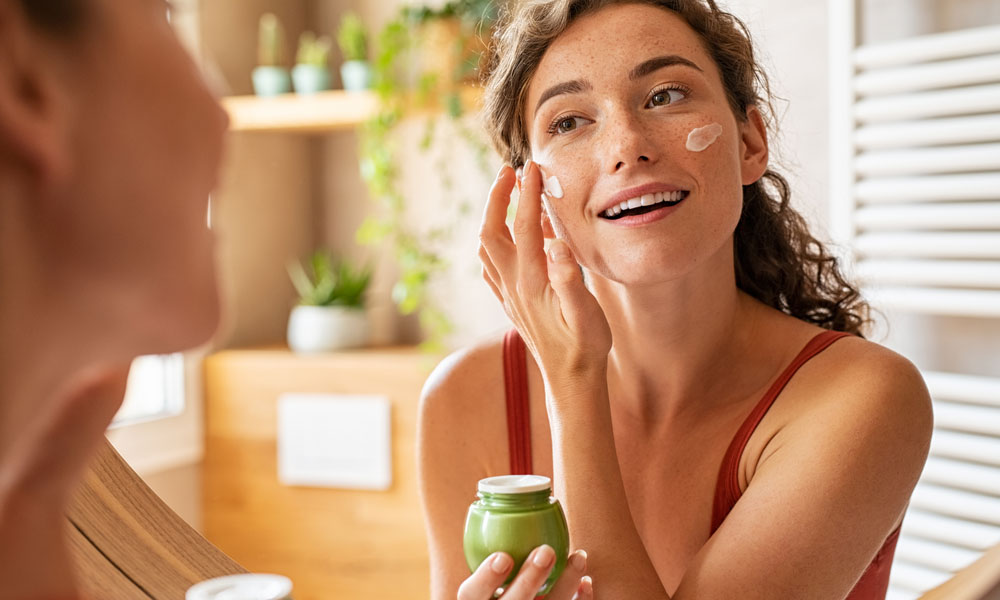
Cleansing is the part of an organic skincare routine that can make everything else work better — or quietly undo it. If your cleanser leaves your face feeling tight, squeaky or “stripped”, your skin barrier has to spend the rest of the day playing catch-up. On the other hand, if your cleanser is too light for your makeup, SPF and city grime, you can end up with dullness, congestion and that never-quite-clean feeling.
So, which is better: a cleansing balm or a foaming face wash? The honest answer is that both can be brilliant — if you pick the right formula for your skin type and the job you need it to do. Let’s compare them through the lens of barrier support, makeup removal, and choosing by concern, with a particular focus on the benefits of organic, waterless cleansing and organic soaps versus mainstream, mass-produced options.
What’s the real difference between a balm and a face wash?
A cleansing balm is typically oil-based. It softens and dissolves what sits on the surface of the skin: makeup, sunscreen, excess sebum, pollution, and long-wear products. Because like dissolves like, oils are naturally good at lifting oily debris without needing aggressive surfactants.
A foaming face wash (or gel cleanser) is water-based and relies on surfactants to lift debris so it can rinse away cleanly. Foaming cleansers can be fantastic for that fresh, thoroughly-clean feeling — but the type and strength of surfactants used matters a lot, especially if your skin is dry or sensitive.
Barrier support: why cleansing choice matters more than you think
Your skin barrier is your built-in protective layer. When it’s happy, skin feels comfortable, looks smoother, and is less reactive. When it’s compromised, you’re more likely to notice tightness, stinging, flaking, redness and breakouts that don’t behave.
Cleansing balms are often barrier-friendly because they cleanse without the same reliance on high-foam surfactants. Waterless balms also typically don’t need the same level of preservatives that water-based formulas require, which can be a win if you’re prone to sensitivity.
Many mainstream foaming cleansers are perfectly fine — but some are built around “big foam” and a super-clean finish. That can be too much for skin that already leans dry, easily irritated, or prone to dehydration. If you regularly feel tight after washing, it’s a sign your cleanser might be doing more than simply cleaning.
Makeup removal: why balms usually win
If you wear makeup or daily SPF, a cleansing balm is hard to beat. Balms melt through mascara, foundation and sunscreen more efficiently than a quick lather-and-rinse. Instead of scrubbing at your lash line or going in twice with a foaming wash, a balm lets you massage everything off gently.
A waterless cleansing balm also gives you “slip”, which is helpful if your skin is feeling delicate or you’re trying to avoid tugging. For example, Hubble Bubble Organics’ Deep Purifying Cleansing Balm is an oil-and-wax blend designed to bind with dirt and makeup while maintaining moisture, leaving skin feeling supple rather than stripped. Used with a warm cloth, it’s an effective, low-fuss way to remove the day without harshness.
Foaming cleansers can still remove makeup, but they often work best as the second step — or as your primary cleanse if you’re not wearing much makeup and you don’t use heavy SPF.
Dry or dehydrated skin: go gentle, go nourishing
If your skin feels tight after cleansing, looks dull, or flakes around the nose and cheeks, you’re likely better suited to a balm-first approach. Oil-based cleansers can help you cleanse thoroughly while keeping comfort levels high.
How to use it for dry skin:
- Massage balm onto dry skin (this helps it dissolve makeup and SPF properly).
- Remove with a warm, damp cloth rather than blasting with hot water.
- Keep your second cleanse optional — many people with dry skin don’t need a foaming wash afterwards.
- Follow with a hydrating step straight away (a floral spritz or gentle toner, then moisturiser or facial oil).
Where organic soaps fit in: while traditional bar soaps can sometimes feel too cleansing for facial skin, well-made, nourishing organic soaps can be excellent for body cleansing when dryness is an issue. They can support a more comfortable wash experience compared with mainstream shower gels that rely heavily on detergents and synthetic fragrance.
Congested or breakout-prone skin: balance is everything
Congestion doesn’t always mean “oily skin needs harsh cleansing”. In fact, over-cleansing can make congestion worse by triggering more oil production and leaving skin inflamed. The goal is a clean, clear feel without disrupting the barrier.
A balm can still be a great option for congested skin, especially if you wear SPF or makeup (which can sit in pores and contribute to blockage if not removed well). The key is removal: take time with your cloth, and don’t leave a heavy residue behind.
You might enjoy:
- Balm cleanse at night to break down SPF, makeup and grime.
- A gentle second cleanse if you love that squeaky-clean feel, but choose a mild, non-stripping formula.
- A consistent routine rather than changing cleansers every week.
Organic soaps can also be useful for the body if you’re prone to back or chest breakouts. A well-formulated bar that cleanses thoroughly without leaving skin feeling tight can be a more skin-kind alternative to mainstream body washes.
Sensitive skin: fewer irritants, fewer problems
Sensitive skin usually wants two things: simplicity and predictability. That often makes a waterless balm a strong choice, because it can cleanse without the same level of surfactants found in foaming formulas. It also reduces the temptation to over-wash or scrub, which is a common trigger for redness.
Tips for sensitive skin cleansing:
- Avoid very hot water and long cleansing sessions.
- Keep pressure light when using a cloth.
- If you double cleanse, make the second step extremely mild.
- Patch test anything with essential oils if you know you react easily.
Many mainstream cleansers marketed for sensitivity still contain multiple detergents, fragrance, or a long list of additives. Choosing organic, minimal-ingredient skincare products can make your routine feel calmer and more consistent.
Do you need both? The simple routine answer
You don’t have to pick a side. For many people, the best setup is:
- Morning: a quick, gentle cleanse (or even just warm water) if your skin is dry or sensitive; a mild wash if you’re oily.
- Evening: balm cleanse to remove SPF and makeup properly; second cleanse only if you genuinely need it.
If your skin is dry, skip the foam. If you’re congested, consider using both — but choose your foaming cleanser wisely and avoid anything that leaves you tight.
Why organic, handmade options can outperform mainstream cleansers
Mainstream brands often formulate for maximum shelf stability, wide appeal, and a strong sensory “clean” experience — which can mean stronger surfactants, heavier fragrance, and longer ingredient lists. That doesn’t make them bad, but it can make them less suitable if you’re focused on barrier support or sensitivity.
Organic, handmade skincare products — particularly waterless balms and carefully made organic soaps — tend to prioritise the feel of the skin afterwards: comfortable, soft, and balanced. With fewer unnecessary extras and a focus on plant oils, butters and essential oils, your cleansing step can become supportive rather than stressful.
How to choose today: a quick decision guide
- Choose a cleansing balm if you wear makeup/SPF, feel dry or tight, or want a gentler cleanse that supports comfort.
- Choose a foaming face wash if you’re very oily, sweat heavily, or prefer a rinse-clean finish — but avoid anything that leaves your skin feeling stripped.
- Use both if you want the best of both worlds: balm at night, gentle wash as needed.
- Don’t forget your body: organic soaps can be a simple upgrade from mainstream shower gels, especially if your skin is prone to dryness.
At the end of the day, the “best” cleanser is the one that cleans thoroughly while leaving your skin calm. When your barrier is supported, every other part of your routine works better — and your skin looks like it’s had an easier life.