
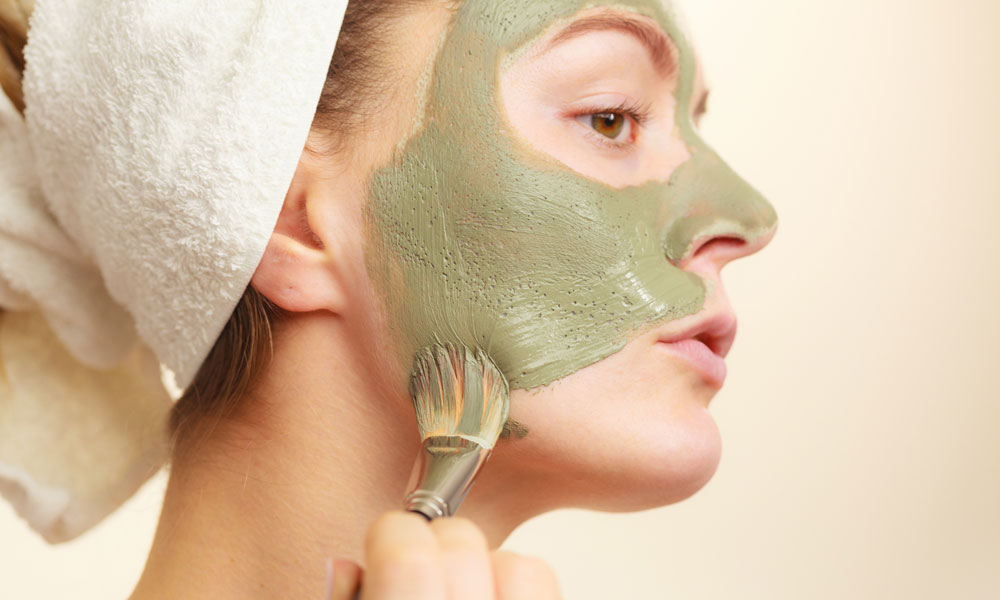
Clay masks are one of those organic skincare steps that feel instantly satisfying. You apply the mask, feel it working, rinse it off, and your skin often looks fresher straight away. The problem is that clay doesn’t just “pull out impurities” — it also absorbs oil and water. Used the wrong way, it can leave skin tight, flaky, and more reactive than before, especially if you already lean dry or sensitive.
The good news is you don’t have to give up clay masks to keep your skin comfortable. With the right frequency, timing and aftercare, clay can be a genuinely helpful part of an organic skincare routine. Think of it as a clarifying tool you use thoughtfully, not a weekly punishment for your pores.
What clay masks actually do (in plain English)
Clay is absorbent. When applied to skin, it binds to excess oil, surface debris, and some of the “build-up” that can contribute to congestion. That’s why clay masks are popular for oily or combination skin and for areas like the T-zone.
But clay can’t tell the difference between “too much oil” and “the oils your skin needs to feel balanced”. If you overuse it, leave it on too long, or apply it to already-dehydrated skin, you can disrupt your barrier. The result can be tightness, redness, and even more breakouts, because irritated skin often becomes inflamed and reactive.
Used correctly, clay masks can be one of those natural remedies that support clearer-looking skin without sacrificing comfort.
How often should you use a clay mask?
Frequency should depend on your skin type and how strong the mask feels.
A sensible starting point is:
- Oily or congested skin: 1–2 times per week
- Combination skin: 1 time per week, or only on the T-zone
- Dry, dehydrated or sensitive skin: every 10–14 days, or as a short T-zone treatment only
If you’re new to clay masks, start with once a week or less. You can always increase later, but it’s much harder to calm down skin that’s been over-stripped.
If you notice tightness, stinging, or flaking after masking, reduce frequency immediately. Clay is one of those steps where “more” rarely equals “better”.
Best timing: when to apply a clay mask in your routine
Timing matters because you want clay to work on clean skin without competing with heavy products.
A simple order is:
- Cleanse
- Clay mask
- Rinse and soothe
- Moisturise
- Seal (optional)
Clay masks are best used in the evening, because you have time for aftercare and your skin can recover overnight. If you mask in the morning, you’ll still need to moisturise and apply SPF, and tightness can become more noticeable through the day.
If you’re using other strong products (like acids or retinoids), don’t combine them on the same night as a clay mask. Clay plus actives can be too much, especially if you’re trying to keep your organic skincare routine gentle.
How long to leave it on (and why “fully cracked” is a mistake)
One of the most common clay mask myths is that you should leave it on until it completely dries and cracks. That’s usually when the mask has started pulling too much water from the skin’s surface, which is why it feels tight and uncomfortable afterwards.
A better rule: remove the mask when it’s mostly set but still slightly tacky. For most people, that’s around 5–10 minutes depending on the formula and how thick you apply it.
If you want to be extra kind to your skin:
- Apply a thinner layer (thick layers dry unevenly and crack more).
- Mist lightly with water halfway through if it’s drying too quickly.
- Mask only the areas that truly need it (often the T-zone), instead of the whole face.
If your skin feels like it’s shrinking while you wear the mask, that’s your cue to rinse sooner next time.
How to apply a clay mask properly
Small tweaks here can stop dryness before it starts.
- Cleanse first: Clay should go on clean skin, otherwise it’s battling makeup, SPF and surface grime. A gentle cleanser or cleansing balm is ideal.
- Apply to damp or dry skin depending on comfort: Some people prefer slightly damp skin to reduce that “tightening” feeling.
- Avoid delicate zones: Keep clay away from the eye area and often the corners of the nose and mouth, where skin is thinner and more prone to dryness.
- Keep it even: An even, thin layer works better than a thick blob.
If you’re using clay as one of your natural remedies for breakouts, consistency matters more than intensity.
Rinsing: don’t scrub it off
Clay can cling, especially if it’s dried too much. Resist the urge to scrub with a rough flannel or exfoliating cloth.
Instead:
- Use lukewarm water (not hot).
- Soften the mask first with wet hands or a damp cloth.
- Gently wipe away with light pressure.
- Pat your skin dry rather than rubbing.
Rough removal is an easy way to create redness that looks like a “reaction” to the mask when it’s actually friction.
Aftercare: the step that prevents dryness
If you do one thing differently after a clay mask, let it be this: moisturise properly. Clay is absorbent, so your skin often needs a little extra support straight afterwards.
A barrier-friendly aftercare routine might look like:
- Apply a simple moisturiser while skin is slightly damp
- Follow with a small amount of facial oil or balm if you’re prone to dryness
- Keep everything calm for the rest of the night (no acids, no retinoids)
If you use organic skincare products, this is where they can shine: nourishing plant oils and balms can help skin feel comfortable and supple after clarifying steps, without that stripped sensation you might get from harsher, mainstream routines.
The most common clay mask mistakes (and how to fix them)
Here are the big ones that cause dryness, irritation, or “why is my skin worse?” moments:
- Overuse: Using clay daily or “every time you break out” often leads to barrier stress. Fix it by masking less and focusing on gentle cleansing plus moisturising.
- Letting it fully crack: This is a fast track to tightness. Fix it by rinsing earlier (5–10 minutes) and applying thinner layers.
- Skipping moisturiser: Your skin needs support afterwards. Fix it by treating moisturising as non-negotiable.
- Masking your whole face when only your T-zone needs it: Fix it by multi-masking or just targeting oily areas.
- Using clay on already-irritated skin: If your skin is stinging, peeling, or sunburnt, skip it. Fix it by prioritising comfort first.
- Combining clay with too many actives: Clay plus exfoliating acids can be too much. Fix it by separating them across different nights.
A simple clay mask schedule you can actually stick to
If you want a calm, consistent routine:
- Oily/congested: Clay once a week, and a second time only on the T-zone if needed
- Combination: Clay once a week, mainly on areas that get shiny
- Dry/sensitive: Clay every other week, or a short T-zone mask only
Keep it consistent for a month before changing things. Skin responds best when you don’t constantly switch approaches.
Clay masks can be gentle — if you use them gently
Clay masks aren’t the enemy of comfortable skin. They’re just easy to overdo. When you focus on timing, don’t let the mask fully crack, and follow with proper moisturising, clay can fit beautifully into an organic skincare routine. Used thoughtfully, it becomes one of those natural remedies that helps skin look clearer and more balanced, without leaving you feeling tight, dry, or irritated afterwards.