
If your skin has been looking a little flat, feeling tight, or simply seems less comfortable than usual, rosehip oil is one of the most talked-about ingredients to explore. It has become a favourite in natural beauty routines for good reason. Light enough for many skin types yet nourishing enough for dry areas, it offers a gentle way to support skin that needs softness, comfort and a healthier-looking glow.
For people drawn to organic skincare, rosehip oil fits naturally into a simpler routine. It feels closer to the kind of ingredient many shoppers are looking for today: recognisable, plant-based and easy to understand. Rather than building a routine around lots of complicated products, many people prefer a few well-chosen oils, balms and cleansers that work with the skin rather than overwhelming it.
Rosehip oil is not a miracle ingredient and it does not need to be. Its popularity comes from the fact that it can be a practical, versatile addition to a routine, especially for skin that feels dry, dull or a bit out of balance.
What is rosehip oil?
Rosehip oil is pressed from the fruit and seeds of wild rose bushes. It is often loved in natural and organic skincare because it feels nourishing without always being overly heavy. Many facial oils can feel rich and comforting, but rosehip oil often has a lighter texture that makes it appealing to people who want moisture without a greasy finish.
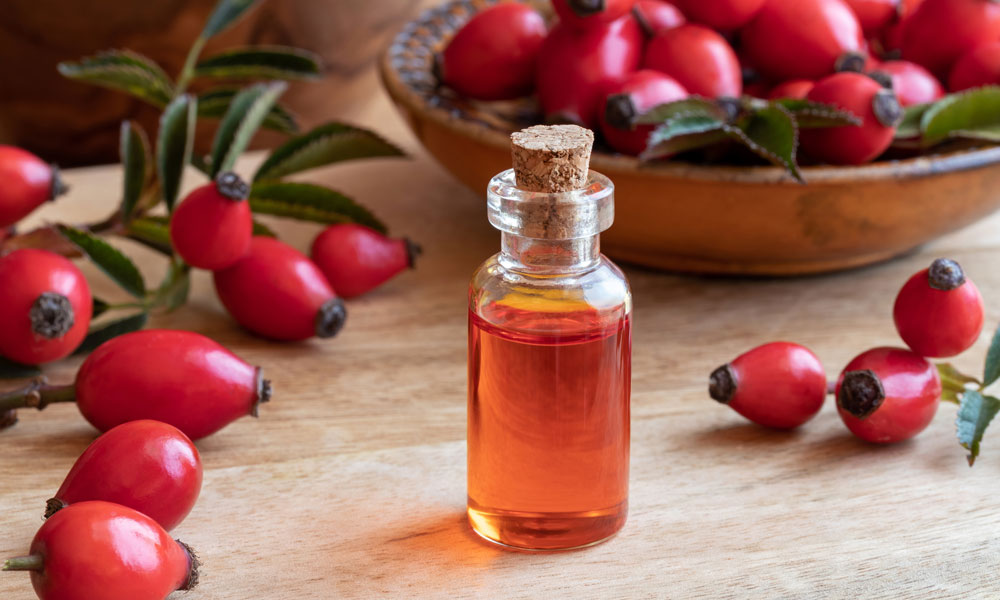
It is usually golden to amber in colour and has an earthy, natural scent. That slightly rustic quality is part of its appeal. It feels less like a heavily processed cosmetic and more like a straightforward botanical ingredient that can slot easily into a mindful skincare ritual.
For people who enjoy building a routine around organic bath products and gentle facial care, rosehip oil can help bridge the gap between pampering and practicality. It feels indulgent, but it also serves a clear purpose by helping skin feel more supple and looked after.
Why is rosehip oil so popular?
One reason rosehip oil has become so popular is that it suits the mood of modern skincare. People are often looking for products that feel simple, nourishing and closer to nature. A facial oil like rosehip gives that sense of simplicity. It can be massaged into the skin in the evening, added to a bedtime routine, or used to give a little extra comfort during colder months when skin feels more exposed.
Another reason is how it leaves the skin looking. Dull skin often needs support, not harsh treatment. When skin is dry or tired-looking, it can lose some of its softness and radiance. Rosehip oil is popular because it helps the skin feel more conditioned, and that can make the complexion look fresher and more comfortable over time.
There is also the ritual side of it. Natural skincare is not only about solving a problem. It is also about enjoying the process. Warming a few drops of oil in your hands and pressing it into the skin can become a quiet, calming moment in the day. For many people, that experience is just as valuable as the ingredient itself.
Who might rosehip oil suit best?
Rosehip oil is often a good choice for people with dry or dull skin, especially if the skin feels a little rough, tight or in need of softness. It can also appeal to those whose skin looks tired after changes in weather, stress, travel or a disrupted routine.
If your skin often feels uncomfortable after cleansing, or if it seems to drink up moisturiser quickly, rosehip oil may be worth considering as an extra step. It can help lock in comfort and give the skin a more cared-for feel. People who like a minimal routine may also appreciate that a facial oil can be used in a very flexible way. Some prefer it on its own, while others use a few drops over moisturiser or mixed into a cream.
That said, every skin type is individual. Some people love oils immediately, while others need time to find the right one or the right amount. The key is to introduce rosehip oil gradually rather than assuming more is always better.
How to patch test it first
Even gentle ingredients deserve a careful introduction. Patch testing is one of the simplest ways to check whether a new product is likely to suit your skin.
To patch test rosehip oil, apply a small amount to a discreet area, such as the side of the neck, under the jawline or the inner arm. Leave it on and monitor the area over the next day or two. You are looking for signs such as redness, itching, stinging or irritation. If the skin stays calm, that is a good sign that you can try it more confidently on the face.
Patch testing may feel like an extra step, but it is worth it. Natural ingredients are still active ingredients, and skin can react for many reasons. A slower start is always kinder than rushing in and then having to strip your routine back again.
How to introduce rosehip oil slowly
When adding rosehip oil to your routine, start with a small amount. Two or three drops is usually plenty. Warm the oil between your fingertips and gently press it into slightly damp skin or apply it after your moisturiser in the evening. Night-time is often the easiest time to begin because it gives the product time to settle while you sleep.
Use it two or three times a week at first rather than every day. This gives your skin time to adjust and allows you to notice how it responds. If everything feels comfortable, you can gradually increase the frequency.
It is also sensible to keep the rest of your routine simple while introducing something new. Avoid layering multiple new products at the same time. If your skin becomes irritated, you want to know what caused it. A calm, stripped-back routine makes that much easier.
How to fit it into a natural skincare routine
Rosehip oil works best when it complements the rest of your routine rather than trying to do everything on its own. Begin with a gentle cleanse, follow with a spritz or hydrating step if you use one, then apply moisturiser and finish with a few drops of oil if your skin needs extra nourishment.
This kind of routine fits beautifully into the wider world of organic skincare. The emphasis is not on overdoing things. It is on supporting the skin with thoughtful, gentle products that feel good to use. If you already enjoy organic bath products as part of your self-care, adding a facial oil can make your evening routine feel even more restorative and complete.
A gentle favourite for skin that needs comfort
Rosehip oil has earned its popularity because it offers something many people want: a natural-feeling way to care for skin that looks dull or feels dry. It can bring softness, glow and a sense of comfort without making a routine feel complicated.
The secret is not to rush. Patch test first, introduce it slowly and give your skin time to tell you how it feels. When used thoughtfully, rosehip oil can become one of those simple favourites that makes your routine feel both effective and enjoyable.
For anyone building a more mindful routine around organic skincare, it is easy to see why rosehip oil continues to be such a well-loved ingredient. It is gentle, versatile and wonderfully suited to those moments when skin needs a little extra kindness.