
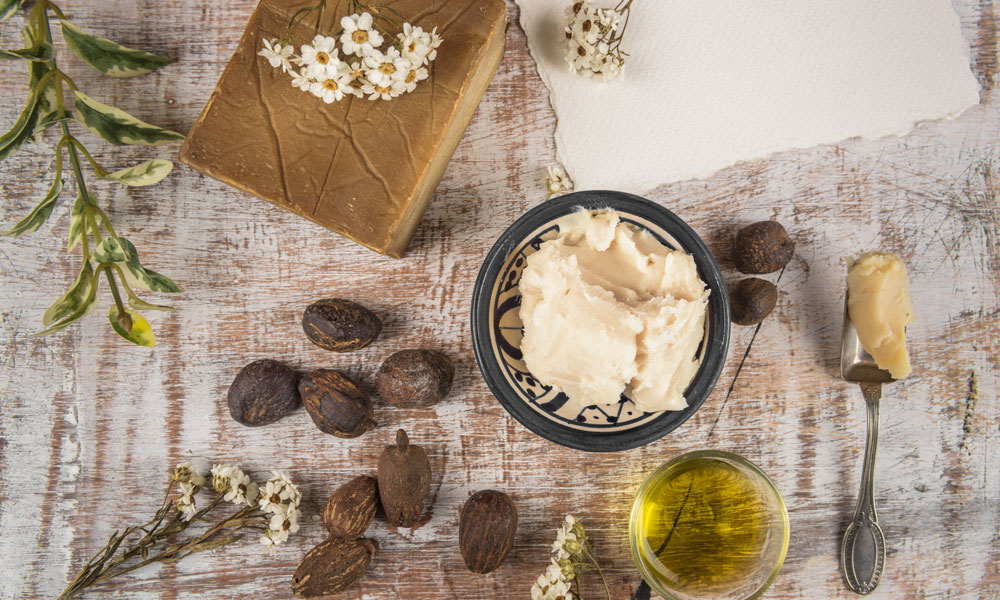
When skin feels dry, tight or rough, body butter can make all the difference. It brings a richer, more protective feel than many lighter lotions, helping to soften areas that need extra attention and making everyday body care feel more comforting. Two of the best-known options are shea butter and cocoa butter. Both have loyal fans, both are popular in natural skincare, and both can be wonderful additions to a routine. But they do not feel exactly the same on the skin, and they are not always chosen for the same reasons.
If you have ever stood looking at jars, balms and bars and wondered which one is likely to suit you best, you are not alone. Choosing between shea butter and cocoa butter often comes down to texture, scent and how you plan to use it. Some people want something deeply comforting for winter skin. Others need help with very dry areas such as elbows, knees or heels. Some want a richer night-time body treatment, while others prefer a butter that feels a little easier to spread.
For anyone building a more natural routine with natural soaps and gentle herbal remidies, understanding the difference between these two butters can help you shop with much more confidence.
Why body butters are so useful
Body butters are designed for skin that needs more than a quick layer of moisture. They are usually richer and more concentrated than ordinary body lotions, which makes them especially useful for areas that lose softness easily or are exposed to the weather, central heating and frequent washing.
That richness can be especially welcome during the colder months. Winter skin often feels drier, rougher and less comfortable than it does in warmer weather. A good body butter helps create a more cushioned, protected feel, making the skin seem smoother and more supple over time.
This is where both shea butter and cocoa butter shine. They are both loved because they bring a sense of nourishment and comfort. The difference is in how that nourishment feels and where it may fit best into your routine.
What shea butter feels like
Shea butter is often loved for its soft, creamy and comforting texture. Depending on the formula, it can feel smooth, rich and slightly whipped, or firmer and more balm-like in its pure form. Once warmed between the hands, it usually melts into the skin quite easily and has a deeply nourishing, cocooning quality.
Many people are drawn to shea butter because it feels gentle and comforting rather than overly glossy or heavy. It gives the skin a cushioned softness that works beautifully on dry limbs, hands and rough patches. There is often a sense that it soothes the skin as well as moisturises it, which is why it is such a popular choice for people who want body care to feel calm and uncomplicated.
Its scent is usually mild, natural and slightly nutty or earthy. That softer scent profile can be a real advantage for people who do not want strongly scented body products. If you prefer your skincare to feel quiet and simple, shea butter often fits that mood very well.
What cocoa butter feels like
Cocoa butter tends to feel firmer and denser than shea butter, especially in its more natural forms. It often has a more solid texture at room temperature and needs a little warming to spread comfortably. Once applied, it creates a rich, protective layer that many people love for very dry skin.
The most distinctive feature of cocoa butter is often its scent. It usually has a naturally sweet, chocolate-like aroma that makes it feel indulgent and warming. For some people, that scent is part of the appeal. It turns body care into more of a sensory ritual, especially in the evening or during colder weather when richer products feel especially satisfying.
Because it has a slightly weightier character, cocoa butter is often chosen for areas that need intensive attention. If your skin feels rough, weathered or persistently dry, cocoa butter can feel wonderfully substantial.
Which is better for very dry areas?
Both shea butter and cocoa butter can help with very dry areas, but they may suit different preferences.
Shea butter is often a lovely choice if you want something rich but still soft and easy to work with. It is ideal for dry hands, shins, elbows and knees when you want comfort without too much heaviness. If your skin feels dry all over and you want a body butter that you can use more widely, shea butter often feels more flexible and approachable for regular use.
Cocoa butter, on the other hand, is often especially well suited to really stubborn areas of dryness. Heels, elbows, knees and any patches that feel particularly rough may benefit from its denser, more protective feel. It can be excellent when the skin needs something that feels more like a barrier against dryness rather than just a quick layer of moisture.
So if your concern is very dry patches that need concentrated care, cocoa butter may be the stronger choice. If you want an all-rounder that still feels rich but slightly gentler in texture, shea butter may be the better fit.
Which works best for winter skin?
Winter skin is often where the choice becomes most noticeable. Cold air outside, heating indoors and frequent hot showers can leave the skin feeling depleted very quickly.
Shea butter works beautifully in winter if your skin feels generally dry, sensitive or in need of comfort. It offers richness without necessarily feeling too thick, which makes it a good everyday choice through the colder months. It can be used after bathing, before bed or whenever the skin needs a little help staying soft.
Cocoa butter is often the one people reach for when winter dryness becomes more intense. If the skin starts to feel rough, flaky or especially exposed, its thicker texture can feel more protective. It is often a wonderful option for overnight use or for concentrating on the driest parts of the body when the weather is at its harshest.
In simple terms, shea butter often feels like a daily winter companion, while cocoa butter can feel like a deeper treatment when skin needs extra rescue.
How scent can influence your choice
Texture matters, but scent often plays a bigger role than people expect. Shea butter is usually much quieter on the skin. Its natural aroma tends to be mild and understated, which many people appreciate if they are sensitive to fragrance or want something that does not compete with perfume or other products.
Cocoa butter is naturally richer in scent and usually has that recognisable warm, chocolate-like smell. Some people absolutely love that because it makes body care feel indulgent and cosy. Others may find they prefer something more neutral.
Neither is better in absolute terms. It really depends on what kind of experience you want from your routine. Do you want your body butter to feel subtle and almost invisible? Shea butter may suit you. Do you want it to feel richer, warmer and more sensory? Cocoa butter may be the more enjoyable choice.
How to choose confidently
The best body butter is the one that matches your skin and your habits. If you want something creamy, versatile and comforting for regular use, shea butter is often the easier place to start. It tends to suit a wide range of body care routines and feels especially lovely when paired with natural soaps and simple herbal remidies that support a gentler way of looking after the skin.
If you want something denser, richer and more indulgent for very dry areas or harsher winter months, cocoa butter may be exactly what you need. Its firmer texture and deeper scent make it feel more like an intensive treatment, especially for elbows, heels and rougher patches.
Two wonderful options for dry skin care
Shea butter and cocoa butter are both excellent choices, and neither one has to replace the other completely. Some people even enjoy keeping both to hand: shea butter for everyday softness and cocoa butter for those times when skin needs extra support.
The key is understanding the difference. Shea butter is softer, creamier and more understated. Cocoa butter is firmer, richer and more distinctive in scent. Once you know which feel you prefer and how you plan to use it, choosing becomes much easier.
For anyone exploring natural body care, both deserve a place on the shortlist. The right one for you is simply the one that makes your skin feel its most comfortable, supple and cared for.