
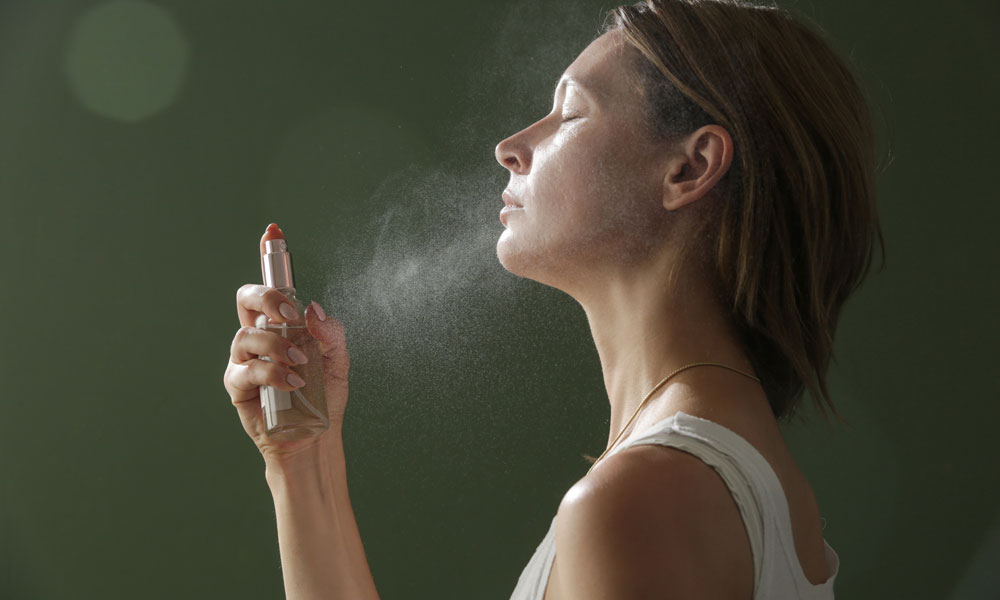
Facial spritzes (sometimes called facial mists) can look like a “nice-to-have” in a skincare routine — pleasant, refreshing, but optional. Used well, though, a spritz can be one of the simplest ways to support hydration, calm the skin, and make your other products work better. The key is knowing when to spritz, what you’re actually putting on your face, and how to layer afterwards so the benefits don’t simply evaporate.
If you’re building a routine around gentle cleansing, organic soaps, and natural remedies, a face spritz can slot in beautifully as the water-based step that helps the skin feel comfortable and balanced — especially before you apply oils, balms, or moisturiser.
What exactly is a facial spritz?
A facial spritz is a lightweight, water-based product designed to hydrate, soothe, and refresh the skin. Many are made with floral waters (also known as hydrosols), botanical extracts, and sometimes a small amount of skin-friendly humectants that help water cling to the skin. Think of it as a “soft drink” for your complexion: fast, simple, and easy to top up.
A spritz can help when your skin feels:
- tight after cleansing
- warm or flushed after exercise or central heating
- a bit dry or dull mid-day
- in need of comfort during seasonal changes
It can also make the rest of your routine feel smoother and more even, particularly if you use facial oils or balm-style products.
Why spritzing works (and why it sometimes doesn’t)
Skin hydration isn’t just about adding water — it’s about keeping it there. When you spritz, you’re adding a thin layer of moisture to the surface of the skin. If you leave it at that, the water can evaporate, and some people find their skin feels tight again afterwards.
That’s where layering comes in. The most effective spritz routine is:
- spritz (add water)
- follow with something that holds that water in (oil, balm, moisturiser)
In other words: spritzing is brilliant, but it’s usually a “step” not a “finish”.
The best times to spritz in a routine
There’s no single correct moment — the right timing depends on what your skin needs that day. Here are the most useful “spritz moments”.
- After cleansing, before anything else
This is the classic. Cleanse (whether with a gentle cleanser or a mild, well-formulated soap used carefully), pat the face so it’s not dripping, then spritz. Slightly damp skin helps your next products spread more evenly and can reduce that squeaky-clean feeling that sometimes follows cleansing. - Before facial oil or balm
If you apply oil to dry skin, it can sit on the surface and feel heavy. If you spritz first, the oil has something to “lock in”, so the finish tends to be softer and more comfortable. This is especially helpful if you’re using botanical oils as part of a natural remedies-led routine. - Between layers to prevent pilling or patchiness
If you use a serum and then a moisturiser, a light spritz between layers can help everything melt together. It’s also useful if you apply a clay mask, rinse, and want to calm the skin before moving to the rest of your routine. - Mid-day refresh (without restarting your whole routine)
A spritz is one of the easiest ways to reset the skin during the day. It can be particularly welcome in heated offices, after commuting, or when your face feels tired. For best results, spritz, let it settle for a few seconds, then press a tiny amount of moisturiser or balm onto any dry areas to stop the refresh from disappearing. - After sun, wind, or exercise
If your skin feels warm, a spritz can be comforting. It won’t replace proper sun care, but it can support the skin barrier when you’re feeling exposed to the elements.
How to layer products after spritzing
The simplest rule is: water first, richer products second. Here are a few easy layering templates.
- Spritz → moisturiser
Best for most skin types, especially if you prefer a straightforward routine. - Spritz → serum → moisturiser
Best when you’re targeting a specific concern (dryness, dullness, sensitivity) and want a little more support. - Spritz → facial oil → moisturiser (or balm)
Best for dry, tight, or mature-feeling skin. The moisturiser/balm on top can help “seal” everything. - Spritz → balm only
Best for very sensitive or weather-stressed skin where you want minimal steps.
A practical tip: apply the next product while your skin is slightly damp, not soaking wet. If your face is dripping, your products can slide around rather than absorb evenly.
Which skin types benefit most (and how to adapt)
- Dry or mature skin
Spritzing before oils and balms can make a big difference to comfort. Consider spritzing again after applying oil, then finishing with a moisturiser or balm to keep the hydration in. - Oily or combination skin
A spritz can hydrate without heaviness. Keep layers light: spritz, then a gel-cream or light moisturiser. If you use oil, use just a couple of drops pressed into damp skin, not rubbed on. - Sensitive or reactive skin
Choose simple formulas and introduce slowly. Many people love gentle floral waters, but essential oils can be too stimulating for some. Patch test and avoid over-spritzing if your skin is already irritated. - Dehydrated (tight but still oily) skin
This is where spritzes shine. Dehydrated skin often over-produces oil to compensate. Hydration plus a light moisturiser can help the skin feel balanced.
Common mistakes to avoid
- Spritzing and stopping there
Refreshing, yes — but often short-lived. Follow with a moisturiser, oil, or balm. - Misting too close to the face
This can leave droplets and uneven wet patches. Mist from about an arm’s length, then gently press in with clean hands if needed. - Using a spritz as a replacement for cleansing
A spritz is not a cleanser. If you want a quick clean, use an appropriate cleanser and warm cloth, then spritz. - Overdoing it
A spritz can become a nervous habit. If you’re spraying constantly, your skin may feel temporarily better but remain unsettled. Use it intentionally: morning, after cleansing, mid-day if needed, and before richer products. - Ignoring hygiene
Keep the nozzle clean and the lid on. If you mist at the gym or on the go, wipe the nozzle occasionally so it stays fresh.
Easy routines you can try
- Morning (simple and effective)
Cleanse → spritz → moisturiser → SPF (if using) - Evening (comfort-focused)
Cleanse → spritz → facial oil → moisturiser or balm - Mid-day reset (desk-friendly)
Spritz → press in → tiny dab of moisturiser on dry patches - After cleansing with organic soaps (if you use them on the face)
Use a very mild soap sparingly → rinse thoroughly → spritz immediately → moisturiser (and consider a balm in colder weather)
The takeaway
A facial spritz is at its best when it’s treated as a smart, functional step — not just a scented moment. Spritzing after cleansing, before oils, and at key points in the day can help your skin feel calm, comfortable, and properly supported. Pair it with a thoughtful layering approach, and it becomes one of the easiest ways to make a routine built around organic soaps and natural remedies feel more effective — without adding complexity.
If you want a quick rule to remember: spritz, then seal. That’s how you keep the glow, not just the mist.