If you’ve ever picked up a balm, oil or solid cleanser and wondered why it feels so different from a typical cream or lotion, you’ve already met the world of waterless skincare. Also known as anhydrous skincare, this approach simply means a formula is made without added water. At Hubble Bubble Organics, our skincare is handmade in Bowness-on-Windermere using organic ingredients and essential oils, and created with no added water, preservatives or unnecessary extras — a style of formulation that’s beautifully suited to simple, nourishing daily routines.
What is waterless (anhydrous) skincare?
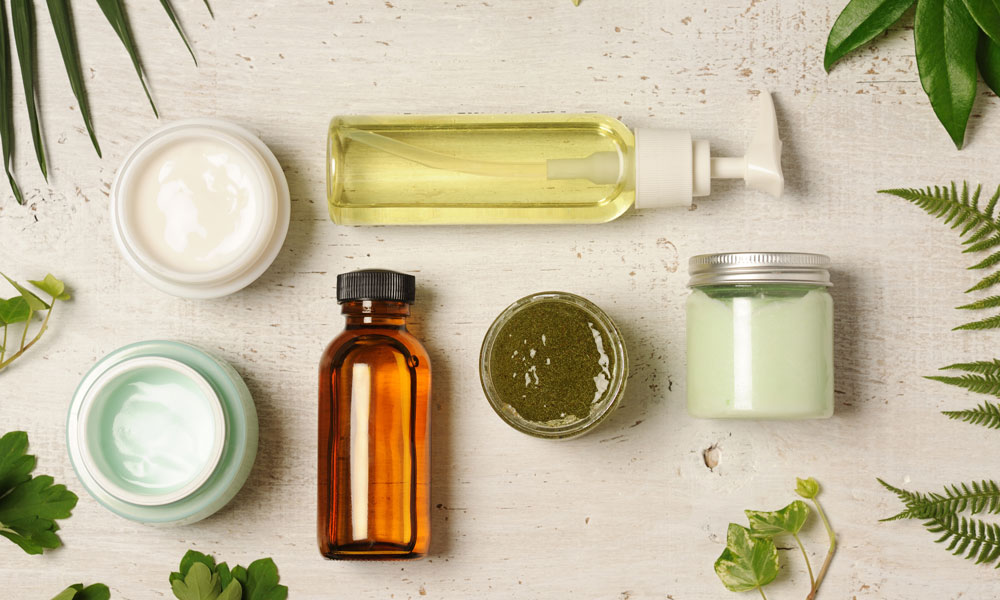
Waterless skincare is exactly what it sounds like: skincare products that don’t use water as the main base. Instead of being built around water, these formulas are typically made from plant oils, butters, waxes, botanical extracts and essential oils. Because there’s no added water to thin them out, the textures are often richer and more concentrated — think silky oils, protective balms, solid cleansers and highly nourishing body butters.
A lot of conventional skincare products are water-based emulsions (a blend of water and oil held together by stabilisers). Waterless formulas don’t rely on that structure, which means they often feel more “pure” and direct: what you’re applying is largely the active, skin-loving part of the formula, rather than a heavily diluted version.
Why do brands formulate without added water?
There are a few practical reasons waterless skincare has become so popular, especially for people looking for organic skincare products with a simpler feel.
First, water is a diluent. When it’s the main ingredient, it creates a lighter texture, but it also means the nourishing ingredients are present in smaller proportions. In a waterless formula, you’re not paying for “filler” — you’re getting a concentrated blend that’s designed to do the job with less product.
Secondly, where there’s water, microbes can grow. That’s why most water-based skincare products need preservatives to stay stable and safe on the shelf and in your bathroom. When a product has no added water, there’s far less need for strong preservative systems. For anyone who prefers minimal ingredient lists, or finds certain preservatives don’t agree with their skin, that can be a meaningful benefit.
Thirdly, waterless products can be brilliantly practical. They’re travel-friendly (no leaky bottles, fewer liquid restrictions), often longer-lasting, and typically require smaller packaging because a little goes a long way.
What waterless skincare means for texture
If you’re switching from traditional creams to waterless skincare products, the biggest change you’ll notice is texture. Water-based creams often feel instantly cooling and lightweight. Waterless products can feel more luxurious, cushiony and “sealing”.
- Balms tend to melt with skin warmth and leave a protective, comfortable finish.
- Oils feel silky and can absorb surprisingly quickly when used correctly.
- Butters are richer still, ideal for very dry areas and cold-weather skin.
- Solid cleansers and soap bars feel more substantial and can be wonderfully gentle when paired with the right technique.
The key is to use less than you think you need. Many people apply too much at first because they’re used to water-based products spreading very easily. With anhydrous skincare, a small amount warmed between fingertips usually gives you the best result.
What “more concentrated” really means (and how to use it)
Because there’s no added water, waterless formulas can be more concentrated in the ingredients that support softness, comfort and glow. That doesn’t mean they’re harsh — it just means your application technique matters.
Start with these simple principles:
- Use a pea-sized amount of balm for the face.
- Warm oils in your hands and press, rather than vigorously rubbing.
- Apply to slightly damp skin when you can (more on that next).
- Introduce one new product at a time if you’re building a routine.
If you’re used to applying a thick layer of moisturiser, switching to a balm or oil can feel unfamiliar. Give it a few days and focus on the “finish”: your skin should feel comfortable and supported, not greasy or sticky.
Routine-building: how to layer waterless skincare
One of the best things about waterless skincare is how easy it is to build a straightforward routine. You don’t need a dozen steps — you just need the right order.
A simple waterless routine often looks like this:
1) Cleanse
If you’re using a cleansing balm or gentle soap, cleanse with warm water and take your time. Massage, then remove thoroughly. Cleansing balms are especially helpful if you wear make-up or SPF, as they can lift what water-based cleansers sometimes leave behind.
2) Add a little water back in (on your terms)
Here’s the clever bit: even though your moisturiser step may be waterless, your skin still loves hydration. You can add that hydration with a facial spritz, a splash of water after cleansing, or by applying products to slightly damp skin. This helps waterless skincare spread more easily and can leave the skin feeling supple rather than “coated”.
3) Seal and nourish
Use your balm or oil as the final step. Think of it as sealing in the hydration you’ve added and giving the skin a comforting, protective layer. In colder months (or after long outdoor walks in the Lake District), this step can be a game-changer for tight, weathered skin.
4) Don’t forget daytime protection
Waterless skincare can support the feel of your skin, but it doesn’t replace sun protection. In the morning, finish with a suitable SPF as needed.
Who tends to love waterless skincare?
Waterless skincare products can suit most skin types, but they’re especially popular with people who:
- prefer minimal, straightforward routines
- dislike the feel of heavily fragranced, overly complex formulas
- want organic skincare products that focus on nourishment and comfort
- spend time outdoors and notice their skin feels tight in wind, cold or central heating
- travel often and want easy-to-pack essentials
If you’re oily or breakout-prone, don’t assume oils and balms are off-limits. The trick is choosing a lighter texture, using less, and applying on damp skin so it sinks in cleanly.
Common myths (and the reality)
It’s easy to hear “oil” and assume “greasy”. In practice, waterless skincare is all about balance and technique. Using too much is the usual culprit, not the product itself. Another myth is that waterless skincare can’t hydrate — it can, but hydration often comes from the water you apply before it, and the product’s job is to lock that in.
Finally, some people think waterless means “strong” or “irritating”. Not necessarily. Many anhydrous formulas are designed specifically to be gentle and soothing, with fewer ingredients overall.
A simpler way to choose skincare products
If you’re trying to cut through the noise and choose skincare products that feel good, work hard, and don’t demand a complicated routine, waterless skincare is a lovely place to start. The textures are comforting, the formulas are often beautifully concentrated, and the routine-building is refreshingly simple: cleanse, add a touch of hydration, then seal in softness with a balm or oil.
At Hubble Bubble Organics, we’re proud to create handmade, waterless organic skincare products in the Lake District — made to fit real life, real weather, and real skin. Whether you’re local to Bowness-on-Windermere or visiting on your travels, waterless skincare is an easy, satisfying way to bring a little everyday luxury into your routine.