
If your skin suddenly feels tight, looks dull, stings when you apply products, or seems to break out more easily than usual, you might be dealing with barrier stress. People often describe it as their skin “freaking out” for no obvious reason. In reality, there usually is a reason — your skin’s protective layer has been pushed a little too far, and it’s asking for a reset.
Skin barrier repair doesn’t have to be complicated or expensive. In plain English, it’s about helping the skin get back to doing its job properly: keeping the good stuff in (hydration) and keeping the irritating stuff out (pollution, allergens, harsh ingredients and bacteria). With gentle habits and supportive organic skincare products, most people can see a real difference in comfort and texture within a few weeks.
What is the skin barrier (in plain English)?
Think of your skin barrier like a brick wall. The “bricks” are your skin cells, and the “mortar” is a mix of natural fats (lipids) that hold everything together. When that wall is strong, your skin feels smooth, calm and resilient. When the wall is weakened, tiny gaps appear, and water escapes more easily. Irritants also get in more easily, which can lead to redness, sensitivity, dryness and breakouts.
Your barrier also includes a slightly acidic surface (sometimes called the acid mantle) that helps keep your skin’s microbiome balanced. A healthy microbiome supports the skin’s natural defences. When your routine is too harsh, both the barrier and the microbiome can get disrupted.
Barrier repair simply means creating the conditions that allow that “wall” to rebuild: gentle cleansing, less irritation, and replenishing moisture and protective oils.
Common signs your barrier is stressed or damaged
Barrier issues don’t look the same on everyone. You might have only one symptom, or several at once. The most common signs include:
- Tightness after cleansing, even if you apply moisturiser
- Stinging or burning when you use products that never used to bother you
- Redness that lingers or flares easily (especially on cheeks and around the nose)
- Dry patches, flaking, or rough texture that doesn’t improve with exfoliating
- A sudden increase in spots or congestion (yes, even if your skin feels dry)
- Makeup sitting badly, pilling, or clinging to patches
- Skin that feels hot, itchy, or reactive for no clear reason
- Increased sensitivity to weather, wind, or central heating
If you recognise a few of these, it’s worth switching into “repair mode” for a while rather than trying to scrub your way back to smoothness.
What commonly causes barrier stress?
Most barrier problems come from a build-up of small stressors rather than one dramatic event. Common culprits include:
- Over-cleansing (especially with foaming cleansers that leave you squeaky clean)
- Exfoliating too often or using multiple exfoliating products at once
- Strong actives used too frequently (retinoids, acids, brightening products)
- Hot water, long showers, or rubbing skin with rough towels
- Cold weather, wind, and indoor heating that dries the skin out
- Stress, poor sleep, dehydration, and big routine changes
- Fragrance-heavy products or harsh detergents in body care
The good news is that the same simplicity that causes the problem often fixes it: less friction, fewer products, and more consistent nourishment.
The “less is more” barrier repair routine
Barrier repair works best when you reduce the number of steps and focus on comfort. Here’s a gentle structure you can follow.
1) Cleanse without stripping
During barrier repair, your cleanser matters as much as your moisturiser. Aim for a cleanse that removes dirt and SPF without leaving your face feeling tight.
If you’re wearing makeup or sunscreen, an oil-based cleanser can be especially helpful because it lifts grime gently. A balm-style cleanser (like a nourishing cleansing balm made with plant oils and butters) can remove the day without that raw, squeaky feeling. Use it with warm water and a soft cloth — not hot water and not aggressive rubbing.
If you don’t wear makeup, you may not need a morning cleanse at all. A splash of lukewarm water can be enough.
2) Add moisture, then seal it in
Barrier support is about hydration plus protection. Hydration adds water back into the skin; protective oils help keep it there.
After cleansing, apply a simple moisturising step while your skin is slightly damp. Then use a facial oil or balm to “seal” and soften. Waterless, plant-based products can be ideal here because they often focus on oils and butters that support comfort, especially when skin feels rough or reactive.
3) Keep exfoliation on hold
This is a big one. If your barrier is stressed, exfoliating usually makes things worse, even if the skin feels bumpy. Give it a break for at least 2–3 weeks. Let the skin rebuild first, then reintroduce gentle exfoliation later if you need it.
4) Protect your skin daily
Barrier repair doesn’t mean hiding away. It means reducing further stress. If you go outside, use SPF. Sun exposure is one of the biggest barriers to barrier recovery (and a major trigger for sensitivity and pigmentation).
Gentle habits that speed up recovery
Small daily changes can make a massive difference.
- Use lukewarm water, not hot
- Pat skin dry rather than rubbing
- Avoid cleansing twice in the morning and evening if your skin is dry
- Stop using harsh scrubs and cleansing brushes
- Keep showers shorter if your body skin is dry
- Choose body care that doesn’t strip (this is where organic soaps can be a simple upgrade)
- If you shave, use a gentle, moisturising product afterwards to calm skin
- Focus on sleep, hydration, and steady routines (skin loves consistency)
Natural remedies and products that can help (without overwhelming your skin)
When people hear “natural remedies”, they sometimes think of raiding the kitchen. For facial skin, it’s usually better to use well-formulated organic skincare products rather than DIY mixes that can be unpredictable or irritating.
Look for products that prioritise:
- Plant oils and butters for comfort and softness
- Waterless balms that protect the surface of the skin
- Minimal ingredient lists if you’re prone to sensitivity
- Gentle body cleansers that don’t leave you tight
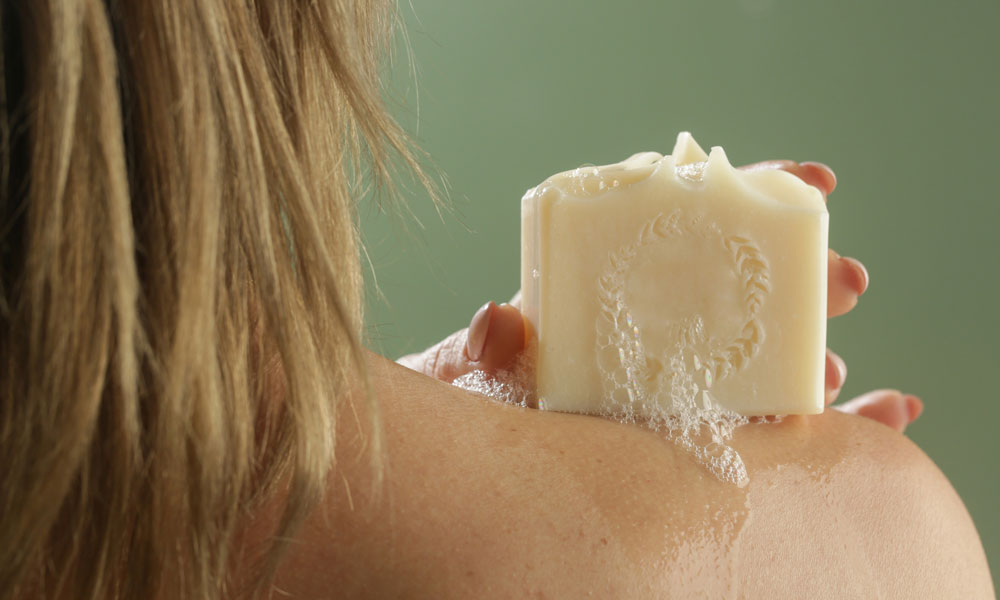
On the body, switching from heavily perfumed shower gels to organic soaps can support dry, itchy skin by reducing detergent load and leaving skin feeling less stripped. For the face, a nourishing cleansing balm and a simple moisturising routine can support the “rebuild” phase without triggering more sensitivity.
If your skin is very reactive, introduce one product at a time and use it consistently for a week before adding anything else. Barrier repair is rarely about finding the perfect miracle product — it’s about removing what’s aggravating your skin and supporting it steadily.
How long does barrier repair take?
You can often feel an improvement in comfort within a few days — less stinging, less tightness. Texture and redness can take longer. For many people, a noticeable shift happens in 2–4 weeks, depending on how stressed the skin was and whether you’ve removed the main triggers.
If symptoms are severe (intense burning, cracking, swelling, or persistent rash), it’s worth speaking to a pharmacist or GP, as you may be dealing with dermatitis or another condition that needs specific treatment.
A simple way to know you’re on the right track
When your barrier is recovering, your skin starts to feel boring — in a good way. Less dramatic. Less reactive. Products stop stinging. Dry patches ease. Breakouts calm down. Makeup sits better. Your face feels comfortable from morning to night.
Barrier repair isn’t about doing more. It’s about doing the basics gently and well. With a calm routine, supportive organic skincare products, and kinder cleansing and body care (including organic soaps), you give your skin the best chance to rebuild its natural defences and get back to looking and feeling like itself.